
Industries: Healthcare

Michelle Drolet

The US Department of Health and Human Services (HHS), through its Office of Civil Rights (OCR), is proposing an update to the “Security Rule” of the Health Insurance Portability and Accountability Act of 1996 (HIPAA). The proposed Security Rule requires entities like healthcare providers, business associates, and health plans to improve cybersecurity practices. This is the first update the Security Rule has received since 2013, and it’s mostly driven by escalating cyberattacks resulting

Janelle Drolet

If you’re in charge of payment card data at your company, you’ve probably come across the term PCI DSS. No, it’s not some secret code; it stands for Payment Card Industry Data Security Standard. Basically, it’s a set of rules designed to keep your customers’ card info safe from cyber crooks. Here to tackle today’s

Michelle Drolet

Just in time for the 2024 U.S. elections, cyberattacks and malicious activities are ramping up. For numerous reasons, elections are the perfect time for opportunistic cybercriminals to target businesses: • High visibility: Elections provide an ideal platform for nation-states and hacktivists looking for ways to undermine democracies, destabilize elections, damage reputations and steal campaign data. Since elections

Janelle Drolet

8) With a cyberattack or data breach, containment is all important, otherwise business continuity is not possible. Priority one is protecting your crown jewels: your critical data and assets. By identifying these upfront, organizations ensure the most valuable assets are safeguarded. 7) Everyone in your organization should be aware of the many cyber risks, what

Michelle Drolet

In 2024, for cybersecurity, we’re entering an era where advanced AI tools and intricate social engineering tactics (especially during election years) are changing the game. To avoid potential cyber threats, businesses, governments and individuals must grasp these emerging trends. Trend 1. Rise Of Cybersecurity AI In 2024, AI’s role in cybersecurity will expand to encompass automated

Michelle Drolet

  Last week, Microsoft patched two zero-day vulnerabilities (CVE-2023-36884 and CVE-2023-38180). These vulnerabilities are part of Microsoft’s August 2023 Patch Tuesday, which also includes security updates for 87 vulnerabilities. Both of these vulnerabilities were exploited in cyberattacks, and one of them was publicly disclosed prior to the patch release. CVE-2023-36884 CVE-2023-36884 is a remote code

Michelle Drolet

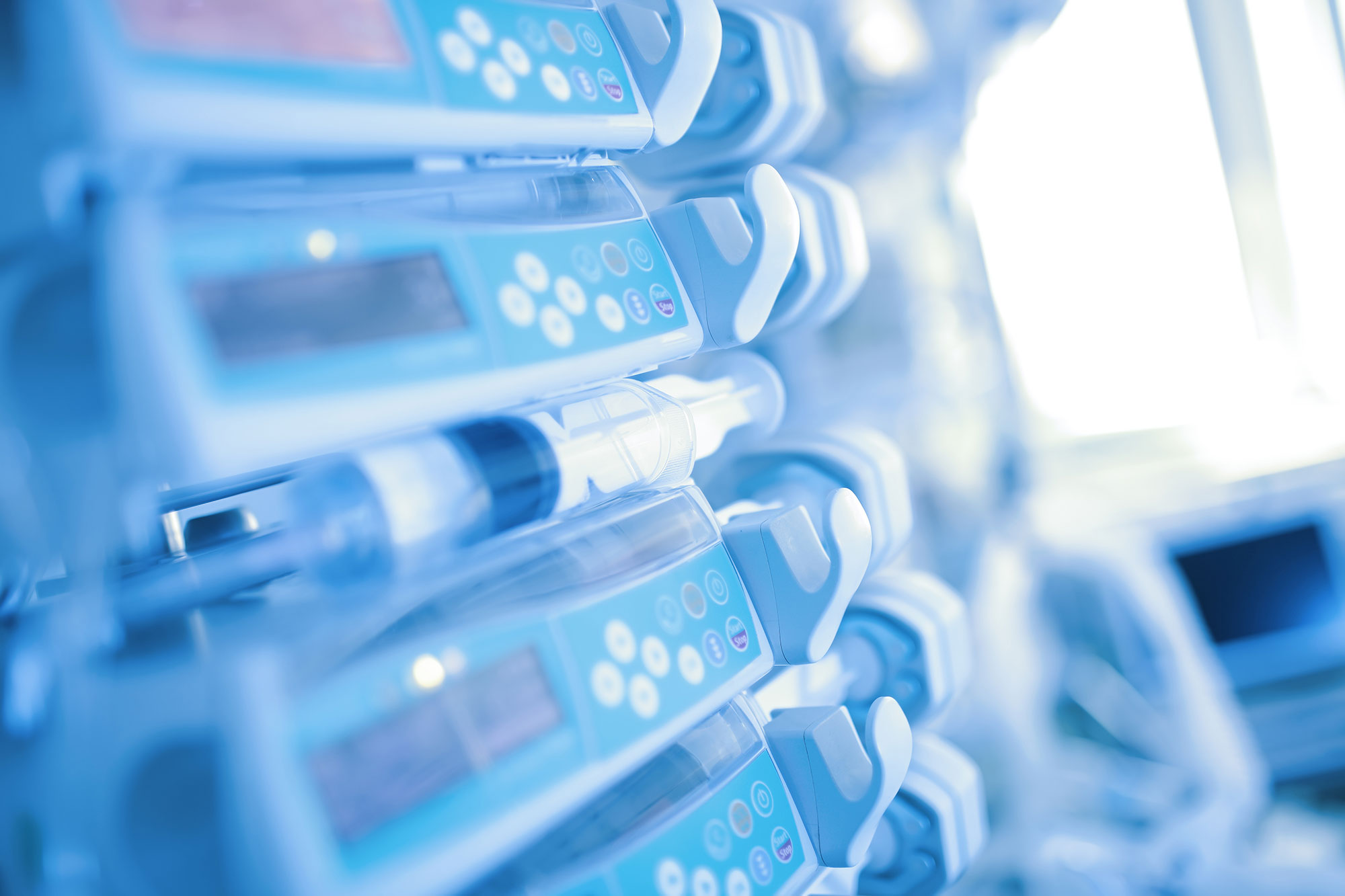
A major vulnerability in DNA sequencing equipment was discovered, highlighting the risks of cyberattacks on medical devices. The vulnerability was found, of all things, in DNA sequencing equipment made by San Diego biotech firm Illumina; discovered by its security team and subsequently patched. Such an intrusion could expose sensitive patient data or allow threat actors

Michelle Drolet

The threat landscape continues to change as bad actors refine their cybercrime tactics and expand their attack options. Cyberattacks continue to break new records and bad actors keep getting better at what they do. The only way organizations can truly defend themselves is by gaining an understanding of how cyber threats are evolving, acquiring the knowledge

Michelle Drolet

What You Need to Know: A zero-day vulnerability (CVE-2023-28252) was found in the Windows Common Log File System (CLFS) and is being actively exploited. The vulnerability allows attackers to gain SYSTEM privileges on target Windows systems and deploy Nokoyawa ransomware payloads. CISA’s Known Exploited Vulnerabilities catalog now includes CVE-2023-28252, which impacts all versions of supported

Michelle Drolet

What You Need to Know: In response to attacks aimed at hacking iPhones, iPads, and Macs, Apple issued urgent security updates that address two vulnerabilities, one of which is a zero-day vulnerability. The first vulnerability, tracked as CVE-2023-23529 [1,2], is a WebKit confusion zero-day that can lead to OS crashes and the execution of arbitrary