
Focus Area: Artificial Intelligence

Michelle Drolet

With the rapid adoption of AI and with quantum threats on the horizon, the security team’s reaction window is compressing fast. AI is not only accelerating attacks but also making these easier to scale. Quantum computing is forcing leaders to question whether today’s cryptographic protections will be enough in a quantum world. It is therefore important to understand

Michelle Drolet

Cybersecurity has generally kept pace with the growing sophistication of threats. It has evolved from firewall and antivirus to next-gen firewalls, comprehensive endpoint security suites and intelligence-driven approaches such as EDR, XDR and MDR—solutions based on the assumption that systems behave predictably and that risks can be mapped, monitored and mitigated within specific guardrails. But even

Greg Neville

Lacking formal AI risk frameworks allows shadow AI to proliferate unchecked, but a structured approach to governance can prevent dangerous blind spots. AI is being leveraged across organizations to boost productivity, accelerate innovation and optimize business processes. The problem is that adoption has outpaced discipline. Only a minority (23.8%) of organizations have formal AI risk

Michelle Drolet

Artificial intelligence is no longer just supporting organizations; it is in the driver’s seat, steering outcomes across different functions. But there is a gap. While 58% of organizations say AI is deeply embedded in their operational and decision-making structures, only 19% have a complete AI governance framework in place. It is this gap that must be plugged

Michelle Drolet

Approximately 1 in 3 SMBs were hit by a cyberattack last year—some costing upward of $7 million. The need to prioritize cybersecurity has never been greater. Let’s explore nine cybersecurity elements that organizations must prioritize for 2025. 1. Put Someone In Charge Just like you have an expert in charge of looking after your company’s finances, it’s

Michelle Drolet

Just in time for the 2024 U.S. elections, cyberattacks and malicious activities are ramping up. For numerous reasons, elections are the perfect time for opportunistic cybercriminals to target businesses: • High visibility: Elections provide an ideal platform for nation-states and hacktivists looking for ways to undermine democracies, destabilize elections, damage reputations and steal campaign data. Since elections

Michelle Drolet

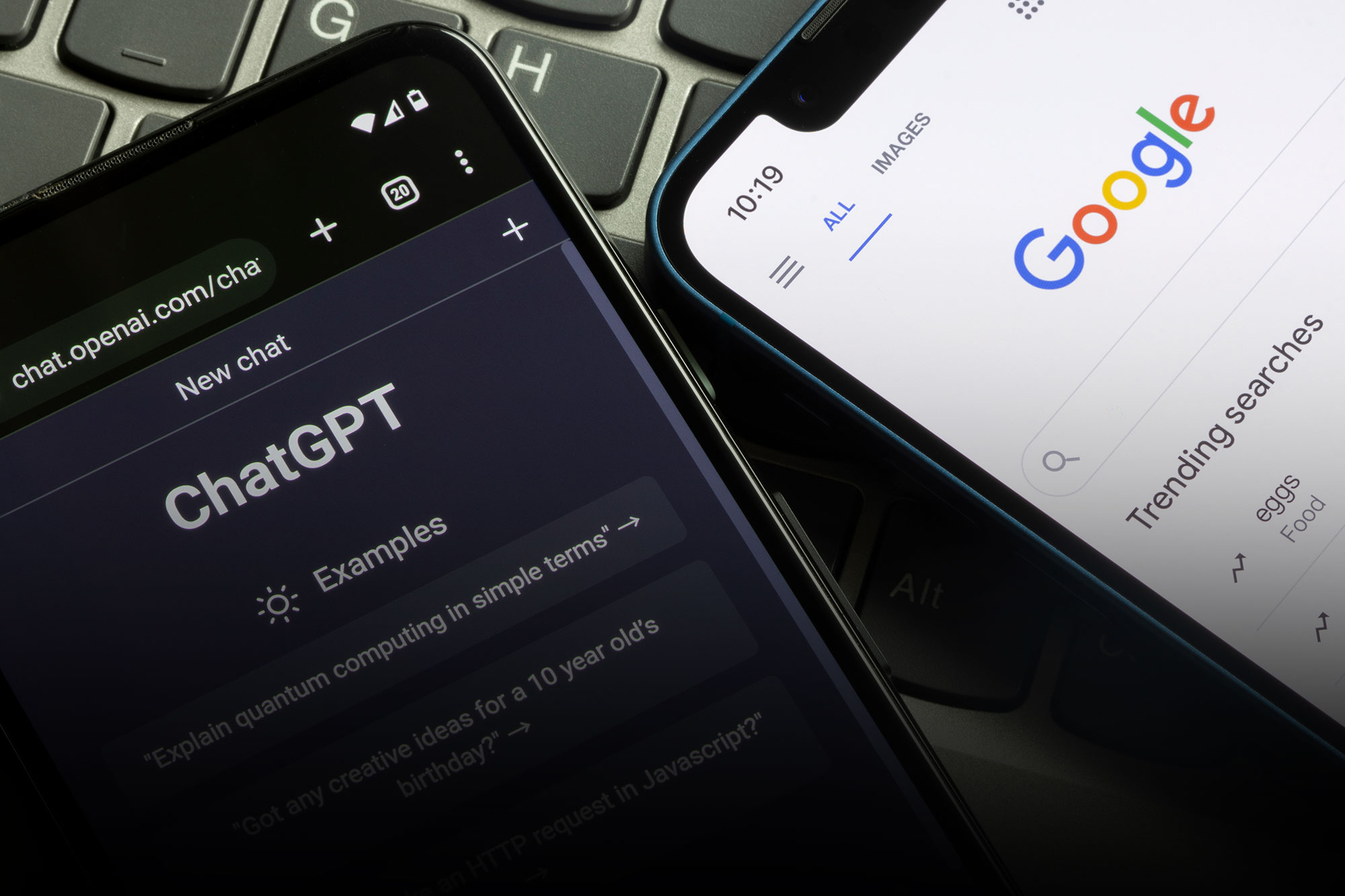
Large language models (LLMs) like ChatGPT and Google Bard have taken the world by storm. While these generative AI programs are incredibly versatile and can be implemented in a wide range of productive business use cases for the good, there is also a potential downside for LLMs to empower threat actors, adversaries and cybercriminals with

Michelle Drolet

10. Benefits & risks. Like most tools, large language models (like ChatGPT & Google Bard) can be used for good or ill purposes. Positives: generate creative content, translate languages, and debug software. Negatives: They can be used to damage reputations, spread misinformation, code malware, and conduct cyberattacks. 9. Phishing at scale. LLMs can be used

Michelle Drolet

It’s that time of year again when we try to predict what’s ahead of us in terms of cybersecurity. 2022 has already become a record-breaker for the sheer volume of phishing scams, cyberattacks, data breaches and crypto heists. There was also a rise in hacktivism cases where state-sponsored cyber legions disrupted critical infrastructure and services,